

If you want a dense, drought-tolerant warm-season lawn that grows slowly and needs less mowing, zoysia is an excellent option. The Zenith Zoysia grass seed listing on Amazon advertises a zoysia japonica variety sold in small retail packets for home use. Below is a practical, buyer-focused review and hands-on planting guide you can paste into a blog or use as product copy. It’s written in a positive, professional tone and includes clear steps, care tips, and a detailed FAQ to help you decide whether zoysia seed fits your lawn goals.
Quick product snapshot
- Product name (example listing): Zenith Zoysia Grass Seed – Zoysia japonica.
- Typical packet sizes sold online range from small retail weights up to larger bulk bags; retail 1/8 to 1/4 lb packets are common for testing or patch repair.
- Promised benefits on the listing include dark-green, dense turf, shade tolerance, drought resistance, low fertilizer needs, and germination in roughly 14–21 days under warm soil conditions.
Who should consider Zenith zoysia seed?
Choose zoysia seed if you want a low-maintenance warm-season turf that:
- Establishes into a dense, wear-tolerant carpet that recovers from light traffic.
- Thrives in heat and tolerates short droughts better than many cool-season grasses.
- Performs well in full sun and tolerates partial shade.
- Suits homeowners who prefer fewer mowings and lower fertilizer inputs after the lawn is established. Extension guidance emphasizes zoysia’s drought tolerance and slow-but-steady growth habit.
A word of caution: many turf experts advise that zoysia is most reliably established from sod, plugs, or sprigs, and seeded zoysiagrass can be slower to establish and more sensitive to planting technique. If you want instant coverage, sod or plugs are faster; if you enjoy seeding and patience, seed can be a cost-effective route.
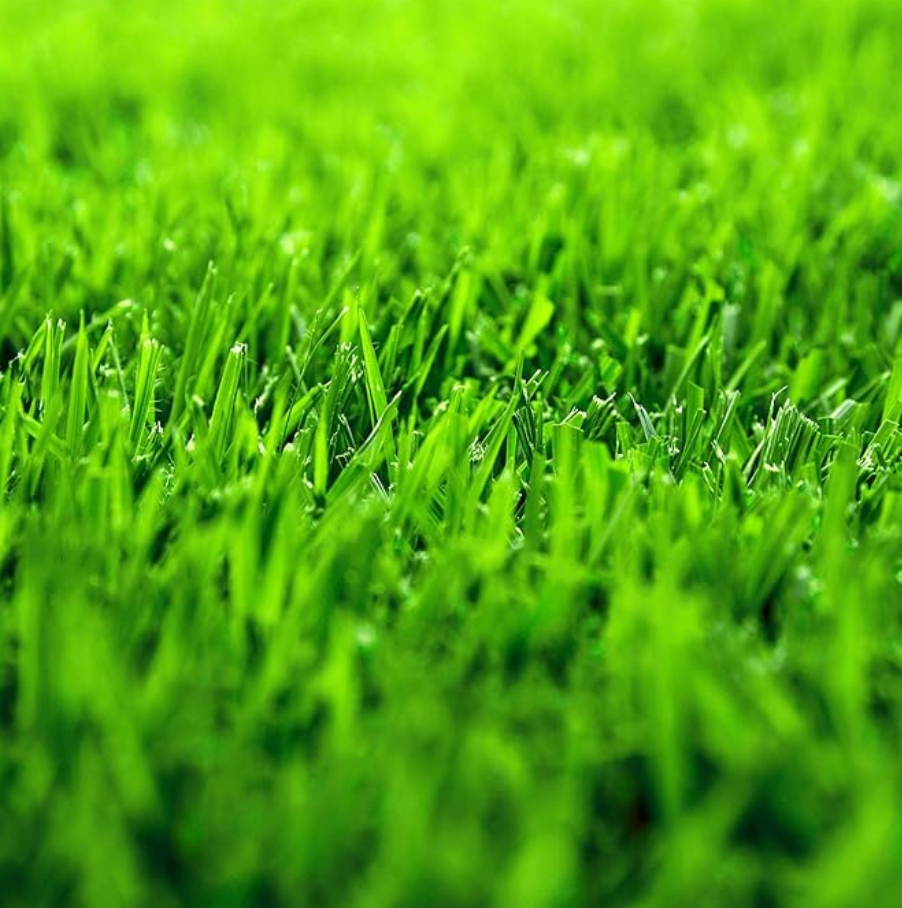
What to expect after planting
The Amazon listing notes germination in about 14–21 days when soil temps are warm (around 60°F+), but germination can take longer in cool soils and may be slow or uneven if seed-to-soil contact, temperature, or moisture are not ideal. Under suboptimal conditions emergence may take several weeks to months. Plan for a patient establishment period and protect seedlings from heavy traffic while they thicken.
Step-by-step planting guide
These steps follow university extension best practices for seeded zoysia and apply to small retail packet seeding or larger seeding jobs.
- Time it right
- Seed in late spring into early summer when soil temperatures reliably exceed about 60°F. Late plantings may not allow enough time for establishment before cooler weather.
- Prepare the seedbed
- Remove weeds and loosen the top 1–2 inches of soil. Zoysia seed needs good seed-to-soil contact and light exposure to germinate; do not bury seed deeper than about 1/8 to 1/4 inch. A light roll or firming ensures contact without covering the seed.
- Choose the right seeding rate
- Follow the package directions for the specific Zenith product you buy. Seeding rates vary by product and whether the seed is coated. For small patch repair use a light, even broadcast; for full installations follow extension recommended rates or consult a turf supplier.
- Irrigate carefully
- Keep the surface consistently moist during germination with light, frequent waterings. Once seedlings are established, transition to deeper, less frequent irrigation to encourage root depth. An established zoysia lawn typically needs about 1 inch of water per week.
- Mowing and early care
- Wait to mow until the grass reaches the recommended height (often around 2–2.5 inches for seeded zoysia) and avoid removing more than one-third of the blade in a single mowing. Zoysia is typically mowed lower than many cool-season grasses once it is mature.
- Weed control and fertility
- Minimize weed competition during establishment. Test soil first and apply fertilizer according to soil test recommendations; zoysia generally needs less nitrogen than many turfgrass species. Use post-emergent herbicides only when seedlings are well established and products are labeled safe for newly seeded zoysia.
Care and maintenance tips
- Mowing height – Maintain zoysia at a low-to-moderate height depending on cultivar and management goals – many guides recommend 1½ to 2½ inches. Regular mowing encourages density.
- Watering – Once established, water deeply and infrequently. Zoysia tolerates short droughts by going dormant and recovering when moisture returns.
- Fertilizer – Feed lightly and based on soil test results; excess nitrogen leads to thatch and extra mowing.
- Thatch and aeration – Monitor thatch; dethatch or aerate if thatch becomes excessive to maintain healthy rooting and turf density.
- Shade – Zoysia tolerates partial shade better than some warm-season alternatives, but performance drops in dense shade. Pick a cultivar that matches your light conditions.
Pros and cons – realistic expectations
Pros
- Dense, attractive turf with good wear tolerance and drought resistance.
- Slow vertical growth reduces mowing frequency.
- Low fertilizer demand once established.
Cons
- Seeded zoysia can be slower and less reliable to establish than sod or plugs; seeding requires careful soil prep and warm soil.
- Establishment may take longer than other warm-season grasses; patience is required.
- Small retail seed packets may be best for patches and trials rather than large full-lawn installs.
Buyer notes and value
Zenith zoysia seed is often marketed in small, consumer-friendly packs that make it easy to test zoysia in a yard without the cost of sod. If you’re experimenting or repairing small areas, a retail packet is a practical purchase. For large areas buy bulk seed or consider sod/plugs for faster results. Check product details like whether seed is coated, certified variety, and coverage estimates on the listing before purchasing.
Zoysia can be grown from seed, but it’s generally slower and needs careful timing, warm soils, and good seed-to-soil contact. Extension services often recommend plugs or sod for faster results in many landscapes.
Late spring to early summer when soil temperatures are warm and consistent is ideal; avoid cool soils which greatly delay germination.
Expect weeks to months to see initial turf and many months to reach mature density. Full performance is typically observed over the first season into the second year depending on conditions and maintenance.
You can overseed with zoysia under proper conditions, but competition from existing turf and weeds can reduce success; site prep and timing are important. Many lawns are converted to zoysia using plugs or sod for quicker, more reliable cover.
Leave a Reply