
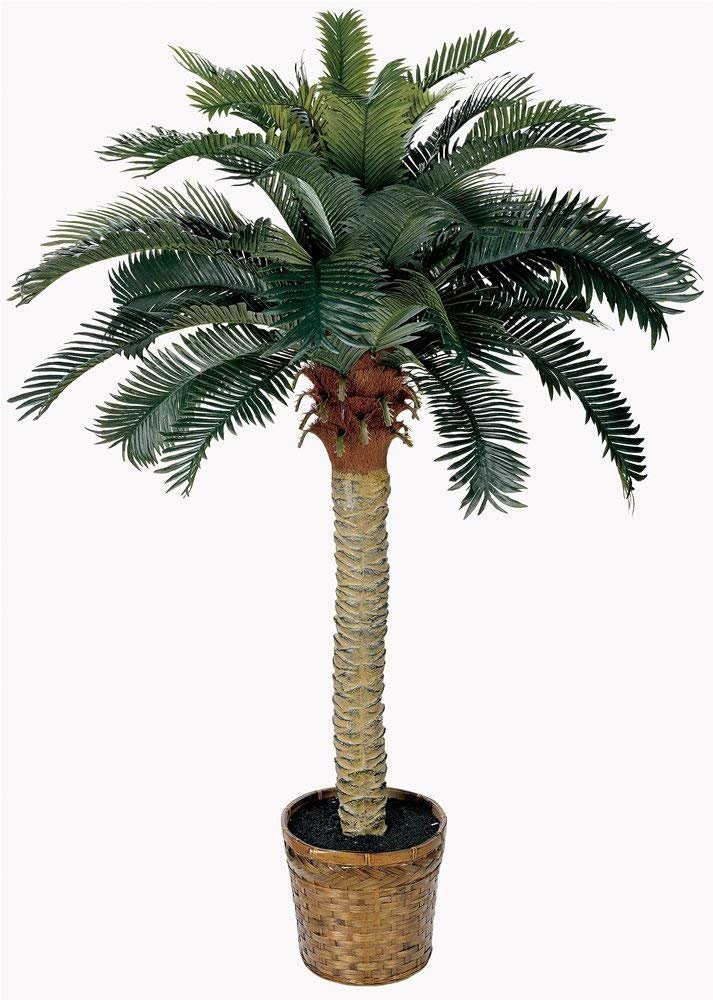
When you want to bring the feeling of sun, warmth, and relaxed hospitality into a space, creative decor can do the heavy lifting. The pineapple palm tree is a playful, elegant fusion of two timeless tropical symbols – the pineapple and the palm – and it works beautifully in a wide range of settings. In this revised and expanded article I have tightened awkward phrasing, improved flow for readability and search relevance, and maintained a warm, professional tone so the piece reads like a natural, human-crafted blog post suitable for a product or lifestyle website.
Click here for discounted fake palm trees products
Introduction – Why the Pineapple Palm Tree Works
The pineapple palm tree is a decorative concept that blends the welcoming symbolism of the pineapple with the relaxed sophistication of the palm. Its appeal is both visual and emotional – it signals hospitality, celebration, and escape. Whether used as a centerpiece in a dining room, a whimsical accent at an outdoor event, or a statement piece in a hospitality venue, this hybrid decoration instantly evokes tropical charm without demanding the care of living plants. Because it reads as both familiar and novel, the pineapple palm tree is effective for brands and homeowners who want to convey a cheerful, curated aesthetic.
A Brief History and Symbolism
Pineapples and palms have long been associated with warm climates and generous hospitality. The pineapple, historically a rare and prized fruit, became a symbol of welcome and luxury in many cultures. Palm trees have symbolized relaxation, seaside escape, and natural elegance for centuries. The pineapple palm tree combines these visual cues into a single object that expresses warmth and leisure. It is not a botanical species – it is a decorative creation – but its symbolism is immediately legible and emotionally resonant.
Where the Pineapple Palm Tree Fits – Versatile Uses
The pineapple palm tree is exceptionally versatile. Here are practical ways to use it:
- Home decor – As a focal point on a dining table, a conversation piece in an entryway, or an accent in a sunroom. It adds personality without overpowering other design elements.
- Events and gatherings – For weddings, garden parties, and tropical-themed events, pineapple palm trees provide memorable photo backdrops and thematic continuity.
- Restaurants and bars – Hospitality businesses can use pineapple palm trees to reinforce a relaxed, vacation-style atmosphere. They are especially effective in pop-up venues and seasonal installations.
- Retail and window displays – The bold, recognizable silhouette attracts attention and encourages shoppers to engage with a themed display.
- Poolside decor – Placed safely away from water and pool chemicals, durable pineapple palm arrangements can enhance a pool area with instant tropical flair.
Materials and Construction – Choosing the Right Build
Because pineapple palm trees are decorative, their visual quality depends on the materials and craftsmanship. When selecting or creating a pineapple palm tree, consider these aspects
- Fronds – High-quality artificial fronds should be UV-stabilized for outdoor use and textured enough to read as realistic in photos. For indoor use, silk-style fronds can offer a softer, more refined look.
- Pineapple element – Depending on the aesthetic, you can use a real pineapple, a preserved pineapple, or a durable artificial pineapple with a realistic finish. Preserved or artificial options last longer and require minimal maintenance.
- Trunk and base – A stable base is critical, especially for events or outdoor displays. Weighted planters, sand-filled pots, or discreetly anchored bases keep the piece secure. If the trunk is decorative, ensure the finish complements the overall design.
- Lighting and accessories – Integrated LED accents or spotlights can elevate evening installations. Consider waterproofing or battery-powered lighting if the piece will be exposed to moisture.
Click here for discounted fake palm trees products
DIY Guide – How to Craft Your Own Pineapple Palm Tree
Creating a pineapple palm tree is an accessible DIY project that yields a highly personal decorative piece. Here is a simple, reliable approach:
- Gather materials – artificial palm fronds, a preserved or faux pineapple, floral foam or a small pot, a sturdy base or planter, waterproof adhesive or floral wire, and optional decorative rope or moss to conceal the base.
- Build the base – Secure floral foam in the planter and add weight if needed. The planter should be heavy enough to prevent tipping.
- Attach the pineapple – If using a real or preserved pineapple, create a stable attachment point by inserting a dowel rod through the pineapple into the foam. For faux pineapples, ensure the attachment method is secure and hidden.
- Arrange the fronds – Insert evenly spaced fronds into the foam around the pineapple, adjusting angles to create a balanced canopy. Use floral wire or adhesive for stronger hold.
- Finish and disguise – Cover the foam with moss, pebbles, or decorative filler, and add lighting if desired. Test stability and make any necessary adjustments before displaying.
Styling Tips – Integrating the Pineapple Palm Tree into Design
A few styling choices make the pineapple palm tree feel intentional and polished:
- Scale – Match the size of the piece to the space. Small tabletop versions suit dining centers, while larger floor-standing pieces work for events and hospitality areas.
- Color palette – Use the pineapple palm tree as a focal accent and coordinate surrounding colors to complement it rather than clash. Neutral backdrops allow the piece to pop.
- Layering – Combine with other tropical elements like woven textures, rattan furniture, and potted plants to build a cohesive environment.
- Lighting – Uplighting or soft ambient bulbs emphasize texture and create drama after sunset.
Pop Culture and Hospitality Appeal
The pineapple palm tree taps into visual language already familiar from films, travel imagery, and social media. It carries instant story cues – vacation, celebration, and ease – which makes it especially effective in marketing, influencer settings, and staged photography. Hospitality venues can use the pineapple palm tree to create an aspirational yet accessible scene that encourages guests to linger and share.
Culinary and Event Uses
Beyond pure decoration, a pineapple palm tree can have culinary and functional roles. Pineapple elements can be used as creative servers for fruit platters, cocktail garnishes, or dessert accents. For events, carefully integrated edible elements add an interactive layer, but keep food safety and durability in mind if a decorative pineapple is exposed for long periods.
Care and Maintenance – Keep It Looking Fresh
Pineapple palm trees are low-maintenance compared with live plants, but simple care keeps them at their best:
- Indoor pieces – Dust fronds regularly and spot-clean with a damp cloth.
- Outdoor pieces – Choose UV-resistant materials and rinse periodically to remove salt or dirt. Store indoors during prolonged bad weather.
- Lighting components – Check batteries or electrical connections before events and replace any worn parts promptly.
- Replacing organic elements – If you opt to use fresh pineapple for short-term displays, replace it regularly to avoid spoilage.
Sustainability Considerations
If sustainability matters to you or your customers, choose preserved or ethically sourced materials and favor durable, repairable designs over single-use items. Reuse elements across seasons and repurpose parts for new displays to extend the life cycle of each piece.
The pineapple palm tree is a joyful, marketable decorative concept that blends hospitality and escape in a single object. Its clear symbolism and visual impact make it ideal for retailers, event planners, restaurateurs, and homeowners who want to deliver an inviting, photogenic atmosphere. With thoughtful material choices and careful styling, the pineapple palm tree becomes more than a novelty – it becomes a signature accent that draws attention and evokes positive feelings
Frequently Asked Questions (FAQ) – Pineapple Palm Trees
A pineapple palm tree is a decorative item that combines the look or symbolism of a pineapple with palm-like fronds or structure. It is a crafted piece rather than a living plant.
No. They are artistic creations made from preserved, artificial, or occasionally fresh materials used for short-term displays.
Use it in homes, restaurants, bars, retail displays, events, weddings, and poolside decor – anywhere a tropical or welcoming vibe is desired.
Yes. A DIY pineapple palm tree is an approachable craft project using artificial fronds, a base, and a preserved or faux pineapple.
Some are, if made with UV-stable and weather-resistant materials. Check product specifications and avoid prolonged exposure to extreme weather.
Leave a Reply