
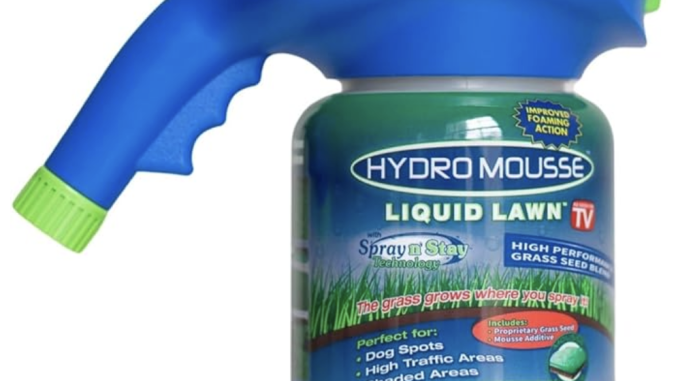
Grass-seed-in-spray systems give homeowners a clean, low-effort option for repairing bare spots, fixing dog-damaged areas, and overseeding small patches. This guide explains how the method works, why it can improve your odds of success, and how to use it step by step. The post focuses on the popular consumer system Hydro Mousse and covers product selection, practical tips, and realistic expectations so you can paste this directly into your WordPress editor and publish.
What is grass seed in spray?
Grass-seed-in-spray systems combine seed with a bonded, mulching carrier and water to form a clingy, visible foam or slurry that adheres to soil. The foam holds seed in place, reduces loss to wind or runoff, and helps retain moisture in the critical germination window. The idea is adapted from professional hydroseeding but scaled down for DIY use – perfect for small repairs rather than full-acre installations.
Why choose a spray system?
Homeowners choose sprayable seed blends for several practical reasons:
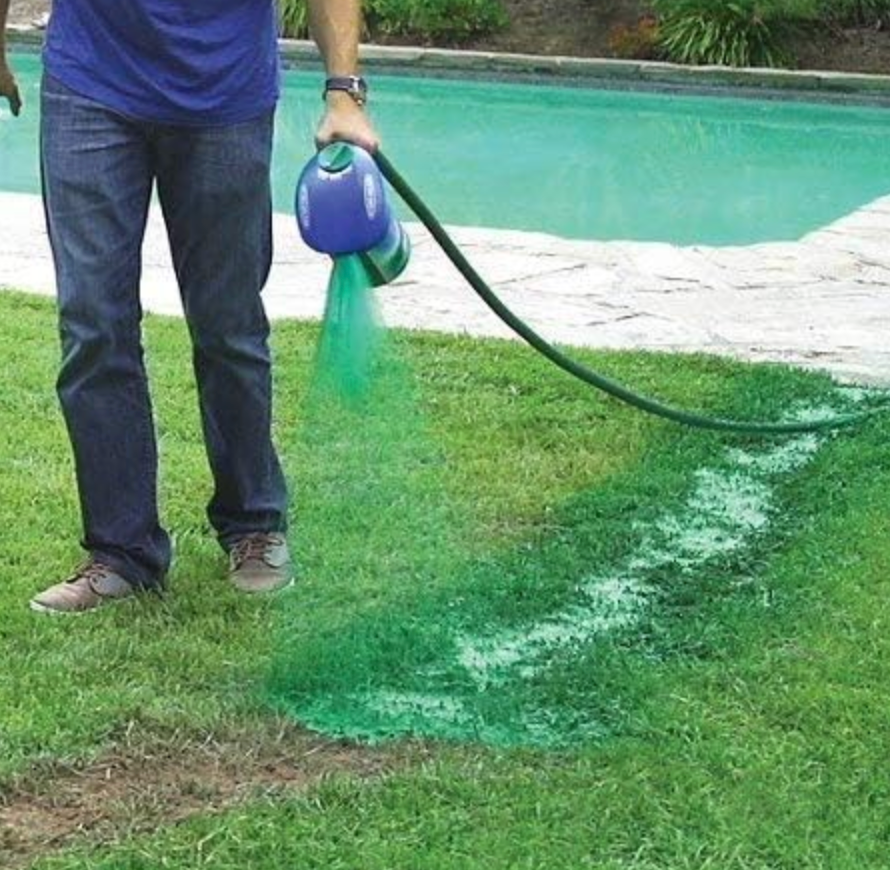
- Visible coverage – the green foam shows exactly where you sprayed, so you won’t miss thin patches.
- Better seed retention – the carrier helps keep seed from washing or blowing away on slopes and exposed areas.
- Moisture buffering – the mulch-like matrix holds moisture next to the seed longer than bare broadcast seed.
- Low mess – no wheelbarrow, mulch bales, or straw cleanup; application is hose-attached and simple.
- Convenience – useful for renters or busy households that want quick, tidy repairs.
While spray systems simplify application, they do not replace good site prep and consistent watering – those basics still matter.
Product overview – what to expect
The typical homeowner kit includes a spray applicator that fits a garden hose, a mixing chamber, a liquid concentrate, and a sample seed blend. Some kits come with a manufacturer-designed seed mix optimized for general lawns; others let you add your own seed to match your climate. Coverage depends on kit size and seed rate – small kits typically treat 50 to 100 sq ft per fill.
If you order replacement seed or refills from vendors like Amazon, check the product details for compatibility, seed composition, and estimated coverage.
Preparation – before you spray
Good results start with simple prep:
- Clear the area – remove sticks, rocks, and weeds. A tidy seedbed improves seed-to-soil contact.
- Lightly loosen compacted soil – on high-traffic or compacted spots, break the top 1 inch of soil with a rake or hoe.
- Level and firm – smooth the surface and press it lightly so seed has contact without being buried too deep.
- Choose the right seed – pick a seed blend suited to your climate and sun exposure. Use site-specific seed rather than a one-size-fits-all mix for best long-term results.
Remember – the foam helps retention but will not replace the advantage of proper seedbed contact.
Step-by-step application
Follow these steps for predictable outcomes:
Mix and load
Follow the manufacturer’s instructions for concentrate-to-water ratios and seed amounts. If you use your own seed, verify particle size and recommended loading rates. Shake or agitate the mix as instructed.
Spray technique
Attach the applicator to your hose, turn water to the recommended pressure, and walk at a steady pace while spraying. Overlap passes slightly to avoid thin stripes. The green foam shows where you’ve applied product and helps you keep coverage even.
Watering schedule
Keep the surface consistently moist during germination. Light misting several times a day is common in warm, dry conditions. The foam helps but does not replace scheduled watering – maintain moisture for 7 to 14 days depending on seed type and temperature.
Protect and monitor
Keep pets and foot traffic off treated areas until seedlings are established. Check the next day for any washed or displaced foam after heavy rain and reapply small spots if needed.
Practical tips for success
- Use the right seed for your region – cool-season mixes for northern climates, warm-season blends for southern areas.
- Treat small sections at a time on larger patches to make watering and monitoring manageable.
- Avoid spraying right before a forecasted heavy downpour – intense rain can wash seed away.
- Consider soil amendments for very poor soils – a light top-dressing of compost helps young roots.
- Keep expectations realistic – spray systems increase odds of success, but they aren’t magic; temperature, moisture, and seed quality still drive results.
Pros and cons
Pros
- Clean, visible application with minimal equipment.
- Great for slopes, compacted spots, and small repairs.
- Helps retain seed and moisture better than dry broadcast in many conditions.
- Fast and accessible for DIYers.
Cons
- Kits cover limited areas; cost-per-square-foot rises for large lawns.
- Requires disciplined watering and monitoring like any seeding method.
- Not a substitute for professional hydroseeding on large or erosion-prone sites.
Common troubleshooting
- Patchy germination – check that seed-to-soil contact was adequate and keep moisture consistent. Lightly roll or press the area if seed appears loose.
- Mold or algae growth – overwatering and poor airflow can cause surface mold. Reduce frequency slightly and improve air circulation.
- Foam washed away – reapply after storms and consider light anchoring measures if slope erosion is severe.
Which seed works best in a spray system?
Many homeowner kits include a blended mix of fescues, ryegrasses, or multi-species blends. If you use your own seed, prefer high-quality seed with good germination rates and steer clear of mixes with oversized particles that may clog applicators. For long-term performance, match seed to your climate zone and desired lawn characteristics.
Eco and safety considerations
Choose biodegradable carrier formulas where possible and follow label guidance for disposal. Keep pets and children off treated surfaces until the product dries and seedlings are secure. Use local seed varieties if ecosystem compatibility is a priority.
Cost and value
For small repairs, the convenience and higher success rate often justify the modest kit cost. For large-area renovations, bulk seed and traditional methods tend to be more economical. Many homeowners find spray systems worth the price for fast, tidy fixes in sensitive spots like slopes, dog runs, or landscaped beds.
Grass-seed-in-spray is a practical, user-friendly approach for homeowners tackling small-to-medium lawn repairs. When paired with sensible site prep, correct seed selection, and disciplined watering, systems like Hydro Mousse improve the chances of successful germination while keeping the process clean and straightforward. For major lawn installs or commercial erosion control, consider professional hydroseeding or bulk methods – but for targeted DIY repairs, spray systems are an excellent tool.
Leave a Reply