
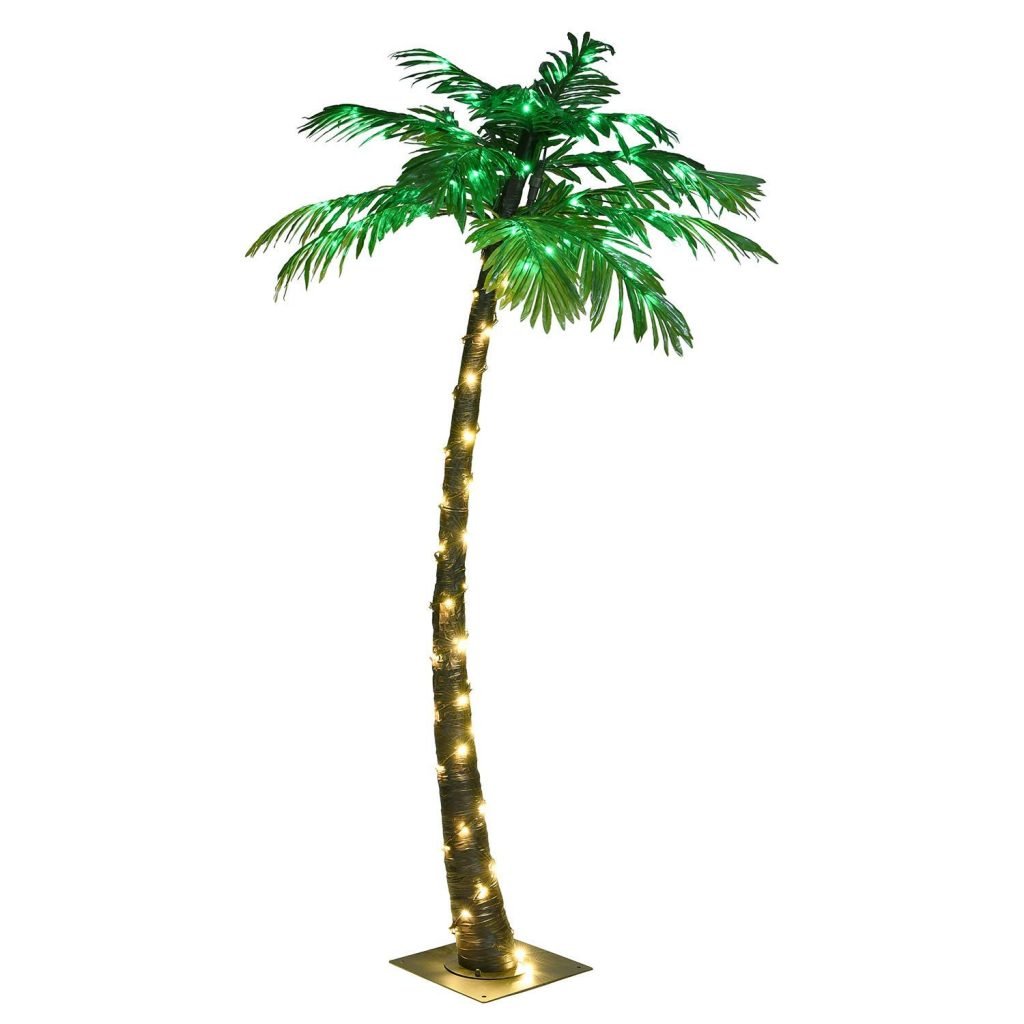
Palm trees are a timeless symbol of warmth, relaxation, and tropical elegance. Whether you want to create a resort-like atmosphere at home, add instant curb appeal to a business, or stage a visually striking event, artificial palm trees deliver the look with minimal effort. Modern manufacturing has made faux palms remarkably realistic, durable, and versatile-so you can enjoy their beauty year-round without the maintenance that live palms require.
Below is a professional, SEO-friendly, and human-sounding article you can paste directly into your WordPress editor. It follows a clear heading hierarchy, uses a positive tone, and includes a comprehensive FAQ at the end.
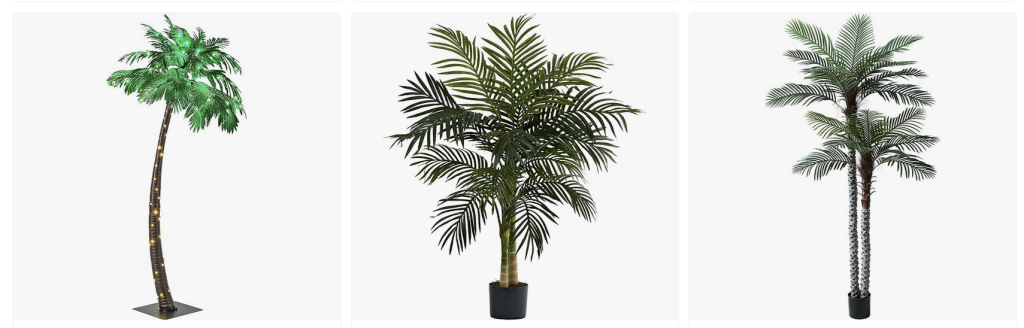
Click here for discounted fake palm trees products
Why choose artificial palm trees?
Artificial palm trees solve common problems associated with live palms while providing significant design benefits:
- Low maintenance – No watering, pruning, fertilizing, or pest control. Routine dusting or an occasional gentle rinse is usually enough.
- Year-round appearance – Fake palms retain their color, shape, and fullness throughout the seasons.
- Climate flexibility – Use tropical aesthetics in temperate or indoor spaces where real palms would struggle.
- Cost-effectiveness – While quality models may cost more upfront, they avoid ongoing irrigation, replacement, and care expenses.
- Allergy-friendly – No pollen or plant-based allergens, which is ideal for indoor commercial settings.
Because of these advantages, artificial palms are popular in hotels, restaurants, offices, retail displays, events, and residential interiors and exteriors.
Click here for discounted fake palm trees products
Modern realism – how artificial palms mimic the real thing
Today’s artificial palms combine multiple technologies and materials to achieve a natural look:
- Textured trunks – Fiberglass, resin, or composite trunks can replicate bark patterns and natural imperfections. Some designs use preserved real-frond materials to boost authenticity.
- Layered fronds – UV-stabilized PVC, high-quality fabric, or preserved fronds are cut and layered to produce realistic shapes and natural light play.
- Natural finishes – Color gradations, subtle browning, and moss at the base add to the believability.
- Structural integrity – Metal cores, reinforced joints, and weighted bases ensure stability in both indoor and covered outdoor environments.
Good lighting and correct scale enhance the realism further when placing palms in an interior or exterior scene.
Click here for discounted fake palm trees products
Choosing the right type for your space
Match the construction type to your environment and aesthetic preferences.
Indoor-focused palms
Fabric or silk-style fronds and lighter planters are ideal indoors. They provide soft texture and photograph well under controlled lighting. Indoor models often omit heavy anchors and rely on decorative pots.
Outdoor and covered outdoor palms
Select outdoor-rated materials with UV stabilization and weather-resistant finishes. PVC or treated fabric fronds and fiberglass or resin trunks handle sun and humidity better. For full exposure, confirm the product’s outdoor rating and salt tolerance if you are by the coast.
Preserved-frond palms
These use real palm fronds that have been preserved to last. They offer exceptional texture but verify durability claims for outdoor exposure.
LED and specialty palms
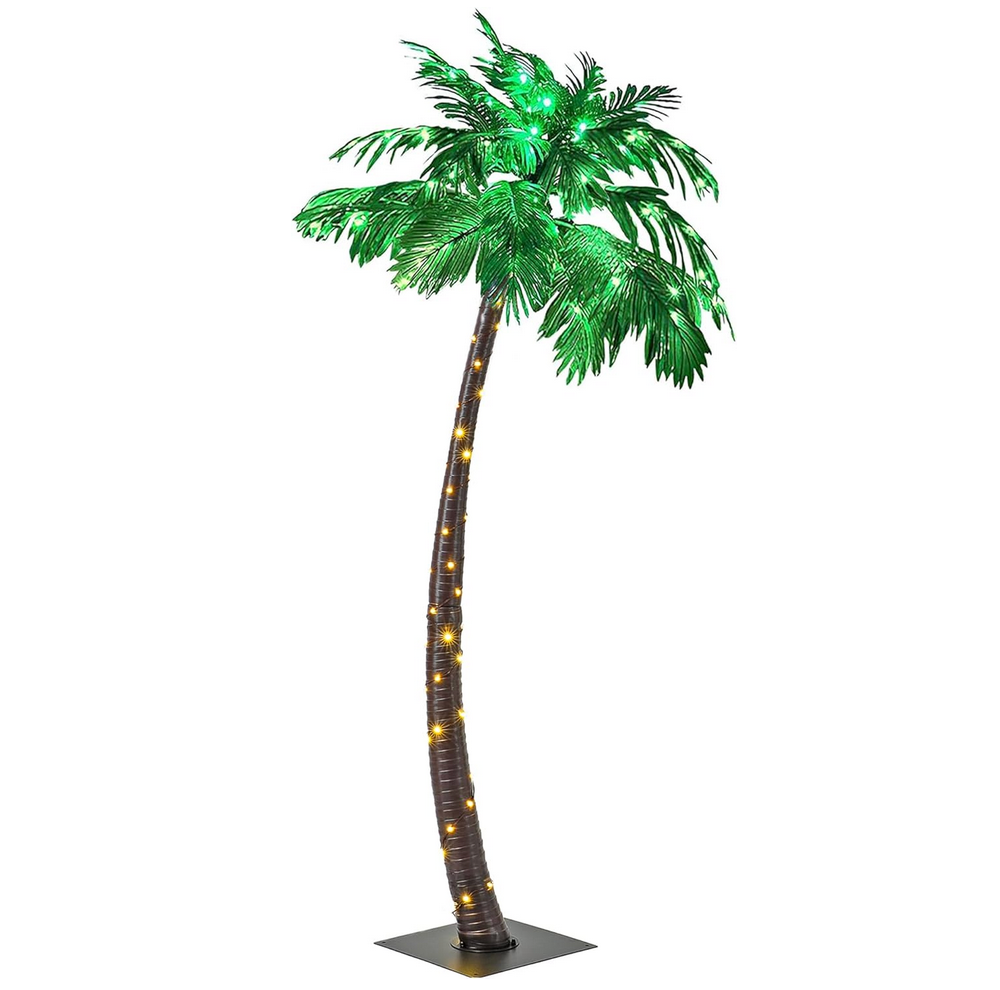
LED-integrated palms or fiber-optic designs are perfect for evening ambiance, events, and holiday displays. Ensure electrical components are rated for outdoor use if placed outside.
Size, base, and trunk options – what to consider
- Size – Artificial palms are available from small tabletop plants to large 10’+ specimens. Choose scale relative to ceiling height, furniture, and sightlines.
- Base and potting – Some models come potted; others require a planter. Heavy or filled planters add stability and allow for decorative customization.
- Trunk type – Real trunks add authenticity, while textured synthetic trunks are durable and often lighter. Consider mobility needs when choosing trunk construction.
Design ideas and placement tips
- Create a focal grove – Group palms of mixed heights to form a lush backdrop for seating, stages, or retail displays.
- Frame entrances – Pair matching palms to welcome visitors into lobbies, cabanas, or storefronts.
- Define zones – Use tall palms as soft partitions between dining, lounging, and pool areas.
- Combine with live plants – Mixing artificial and live plants gives natural oxygenation while reducing overall maintenance.
- Lighting – Uplights and soft ambient bulbs add depth and realism at night.
Installation and anchoring best practices
- Secure anchoring – Use heavy planters, ballast, or in-ground anchors for tall outdoor palms to prevent tipping in wind.
- Surface protection – Add felt pads under heavy pots on indoor floors to avoid scratches.
- Maintenance access – Install palms so fronds are accessible for periodic dusting and inspection.
- Electrical safety – For lit palms, hide wiring safely and use waterproof connections for outdoor use.
Care and longevity
Artificial palms are low-maintenance but benefit from basic care:
- Dust weekly inside with a soft cloth or duster.
- Hose down outdoor palms periodically to remove salt or pollen buildup – avoid high-pressure sprays.
- Inspect fastenings and anchors seasonally, especially before storm seasons.
- Replace worn fronds or parts rather than the whole tree to extend life and reduce waste.
Click here for discounted fake palm trees products
Sustainability and value
To minimize environmental impact:
- Choose durable, repairable models over cheap, disposable units.
- Look for manufacturers using recyclable materials or offering replacement parts and take-back programs.
- Consider preserved-frond options if you prefer less plastic use, and verify ethical sourcing.
A high-quality artificial palm can be a long-term investment that outperforms repeated replacements of lower-quality products.
Typical use cases
- Hospitality – Hotels and resorts use artificial palms for consistent branding and low upkeep.
- Retail – Seasonal displays and pop-ups benefit from quick installation and strong visual pull.
- Residential – Poolside, patios, and interior corners gain instant tropical style.
- Events – Lightweight and portable palms enable dramatic staging with low logistics.
- Offices – Lobbies and meeting areas achieve scale and mood without plant care responsibilities.
Frequently Asked Questions (FAQ)
High-quality models use textured trunks (fiberglass, resin, or preserved materials), layered fronds (UV-stabilized PVC or treated fabric), and natural finishes such as moss or gradated leaf colors.
Yes, many are rated for outdoor or covered outdoor use. Always check UV stabilization, moisture tolerance, and manufacturer guidance for fully exposed locations.
Use heavy planters filled with sand or concrete, in-ground footings, or buried anchors for commercial installations. For events, sandbags or hidden ballast provide temporary stability.
Absolutely. Combining both creates a balanced aesthetic and keeps the benefits of living plants while lowering overall maintenance.
With proper care and suitable placement, high-quality outdoor-rated palms can last many years. Indoor models generally last even longer due to reduced sun and moisture exposure.
Leave a Reply