
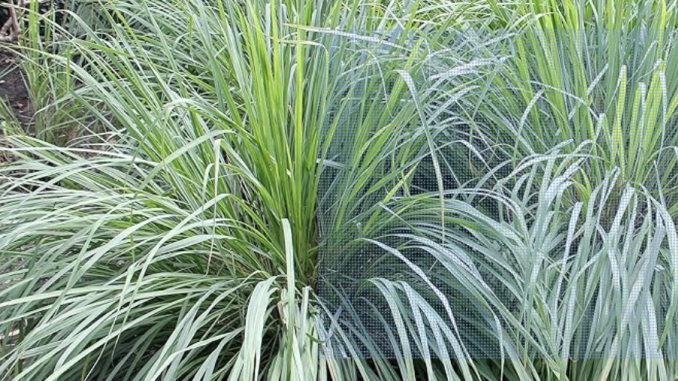
Lemongrass is a fragrant, easy-to-grow perennial that adds bright citrus aroma and culinary flair to gardens, patios, and containers. Whether you want fresh stalks for teas, soups, and marinades, or a tall, ornamental grass for tropical curb appeal, growing lemongrass from seed is an inexpensive, rewarding project. Below is a practical, step-by-step guide and product-style review you can use for a blog post or product page. It’s written in a professional, natural tone and follows the posting rules we discussed.
Product snapshot
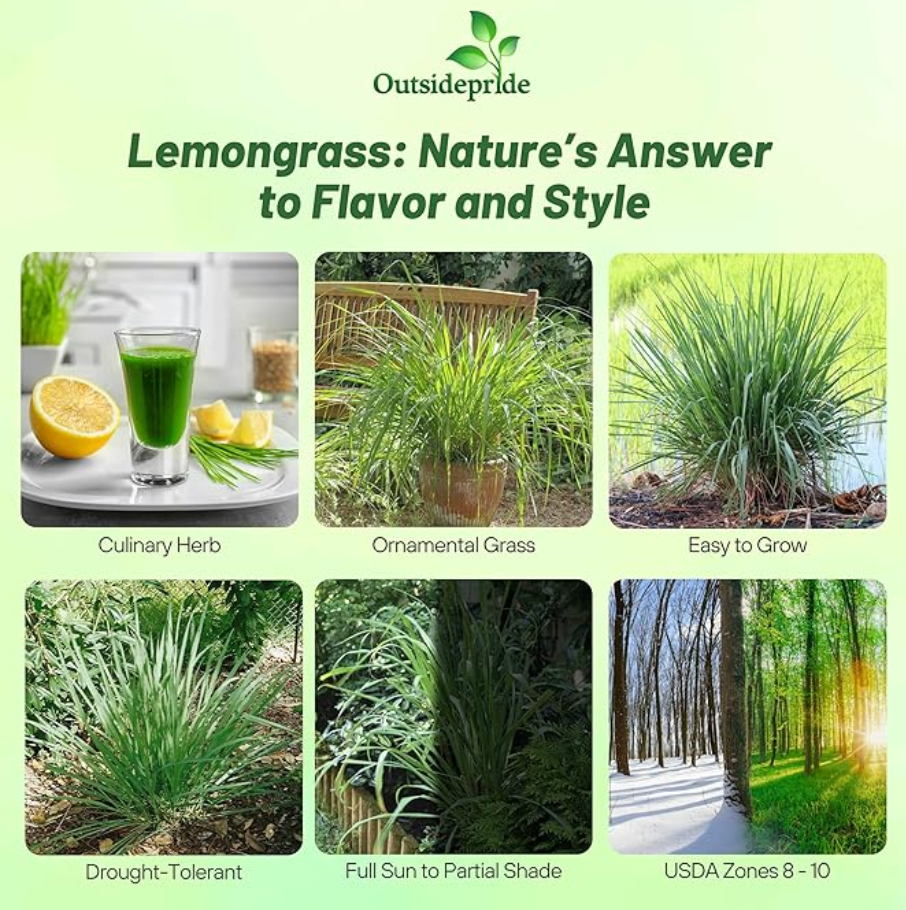
This article covers lemongrass seeds commonly sold online in small retail packets. A typical pack contains enough seed for several plants or repeated sowings and is suitable for home gardeners who want to start plants indoors or sow directly where conditions are warm. Lemongrass prefers warm temperatures, full sun, and well-draining soil – and it responds quickly when given heat and consistent moisture.
Why grow lemongrass from seed?
Growing lemongrass from seed has several advantages:
- Cost effective – seed packets are inexpensive and allow you to raise multiple plants.
- Variety – seed-grown plants can produce a range of flavors and growth habits depending on variety.
- Satisfaction – starting from seed is a hands-on way to learn propagation and watch plants develop.
Compared with growing lemongrass from stalk divisions, seed requires a bit more patience during germination, but the eventual plants are equally useful and attractive.
What to expect from the seeds
Lemongrass seeds are small and may benefit from light pre-treatment like soaking to speed germination. Under ideal conditions (warm soil, consistent moisture, and light), seeds should germinate in 7-21 days. Seedlings develop quickly once temperatures are reliably warm and can be hardened off and planted outdoors after overnight lows remain above about 50-55°F (10-13°C).
When and where to plant
Best timing
- Start seeds indoors 8-10 weeks before your region’s last expected frost date.
- In warm climates where frost is rare, you can sow directly outdoors in late spring or early summer.
Light and temperature
- Lemongrass is a warm-season plant – aim for soil temperatures above 70°F (21°C) for best germination.
- Provide bright light or grow lights indoors – 12-14 hours of light daily helps seedlings become sturdy.
Soil and drainage
- Use a loose, well-draining potting mix. Lemongrass doesn’t like waterlogged roots.
- A slightly acidic to neutral pH is fine – most garden soils work if they drain well.
Step-by-step sowing and germination
- Soak the seeds – Optional but helpful: place seeds in warm water for 8-12 hours to soften seed coats.
- Fill trays or pots – Use seed-starting mix and fill shallow trays or 2-3 inch pots. Press the surface gently to firm.
- Sow thinly – Broadcast or place seeds on the surface and lightly press them into the mix. Do not bury more than 1/8 inch – lemongrass seeds need light contact.
- Moisture and cover – Mist the surface, cover with a clear dome or plastic wrap to maintain humidity, and place in a warm location or on a heat mat if possible.
- Provide light – Once tiny shoots appear, remove the cover and give strong light. Seedlings that stretch are weak – increase light intensity or move them closer to a grow light.
- Transplanting – When seedlings have several true leaves and are at least 2-3 inches tall, transplant into larger pots or spaced beds. Harden off gradually before moving outside.
Growing on and care
Watering
- Keep the soil evenly moist while plants are establishing. Once established, lemongrass tolerates short dry spells but prefers regular water for lush growth.
Feeding
- Feed with a balanced, water-soluble fertilizer every 4-6 weeks during the growing season, or incorporate slow-release fertilizer into the potting mix at transplant.
Spacing
- Space plants 18-24 inches apart for full, clumping growth. Container-grown lemongrass can be crowded in a large pot but will still produce usable stalks.
Light
- Full sun gives the best stalk development and essential oil content for strong lemon flavor. Partial shade will produce thinner, less aromatic stalks.
Overwintering
- In frost-prone areas, lift containers indoors or mulch thickly and protect clumps in the ground. Many gardeners treat lemongrass as an annual in cold climates or overwinter pots indoors.
Harvesting and uses
- Harvest stalks when they reach pencil-thick size and 12-24 inches tall. Cut at the base and use fresh or store in the fridge for a week or freeze for longer storage.
- Use in teas, curries, soups, marinades, cocktails, and essential oils. The lower stalks are the most aromatic and useful in cooking; the leaves can be used to flavor broths or wrapped around foods while grilling.
Common problems and troubleshooting
Poor germination
- Cause: soil too cool, seeds too deep, or inconsistent moisture.
- Fix: restart with warm conditions, soak seeds before sowing, and keep surface humidity steady.
Leggy seedlings
- Cause: insufficient light.
- Fix: provide stronger grow lights or move seedlings to a bright south-facing window; don’t let them stretch.
Yellowing leaves
- Cause: overwatering, poor drainage, or nutrient imbalance.
- Fix: check pot drainage, reduce water frequency, and apply balanced fertilizer.
Pest issues
- Lemongrass is generally pest-resistant due to its oils, but occasional aphids or spider mites can appear indoors. Use water sprays, insecticidal soap, or beneficial insects as needed.
Pros and cons of growing from seed
Pros
- Inexpensive, accessible, and scalable for many plants.
- Allows selection of varieties and experimentation.
- Satisfying DIY experience from seed to harvest.
Cons
- Requires patience – germination takes longer than division methods.
- Some seeds may have variable germination rates depending on freshness and source.
Buying tips
- Choose fresh seed from a reputable seller and check pack dates when possible.
- Prefer labeled culinary varieties if your primary goal is cooking – some ornamental types may be less flavorful.
- If you’re in a short growing season, start indoors with heat or consider purchasing established starts to transplant.
Leave a Reply