
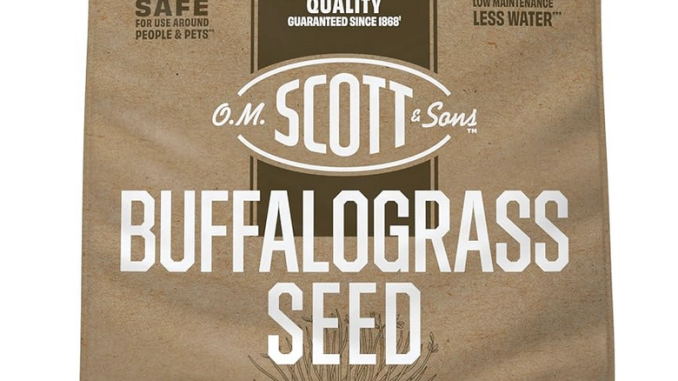
Buffalo grass seed is an excellent choice for homeowners and landscapers looking to establish a low-maintenance, drought-resistant turf that thrives with minimal water, mowing, and fertilizer. Unlike traditional lawn grasses, buffalo grass naturally forms a dense, short-growing turf that suits dry climates, sunny yards, and eco-friendly landscaping. This grass seed is ideal for creating a water-wise lawn that still looks attractive and functional throughout the growing season.
Whether you’re repairing bare spots, establishing a new lawn, or seeking a natural alternative to high-maintenance turfs, buffalo grass seed offers resilience, ease of care, and long-term performance — especially in regions with warm summers and limited rainfall.

What is Buffalo Grass?
Buffalo grass (Bouteloua dactyloides) is a native warm-season perennial turf grass known for its exceptional drought tolerance, heat resilience, and low upkeep requirements. It was a dominant component of the shortgrass prairies of the central United States and remains a great option for lawns, meadows, and low-input landscapes.
This native turf spreads by above-ground runners called stolons and produces a tight, fine-textured stand of grass that stays naturally short — typically only a few inches tall once established. It tolerates poor soils and requires less water than many traditional turfgrasses, making it a sustainable alternative for homeowners in warm and arid regions.
Key Benefits of Buffalo Grass Seed
Water-Wise and Drought Resistant
Buffalo grass is one of the most drought-tolerant turf species available — once established it thrives with much less irrigation than conventional lawns. Its native adaptation allows it to survive extended dry periods by going dormant and resuming growth when moisture returns.
Low Maintenance Lawn
This grass grows slowly and does not require frequent mowing. Many homeowners mow only a few times per season, and in some natural-style landscapes mowing can be minimal or even optional depending on desired aesthetic.
Great for Natural or Eco-Friendly Landscapes
Buffalo grass works beautifully in landscapes that aim to reduce water usage and fertilizer inputs. It also supports soil structure and erosion control thanks to its spreading habit and root system.
Durable and Adaptable
With good cold tolerance compared to other warm-season grasses and a wide geographical adaptation, buffalo grass can perform well across many temperate to warm regions when planted at the right time.
Best Conditions for Planting
Buffalo grass performs best when planted in:
- Full sun – at least 6–8 hours of direct sunlight daily.
- Warm temperatures – soil temps above about 65°F support reliable germination.
- Well-drained soil – although it tolerates a variety of soil types, it thrives in loam and clay systems.
Plant buffalo grass seed in late spring or early summer when soil and air temperatures are warm, which gives seedlings the best chance to establish before cooler weather arrives.
Planting & Establishment Guide
1. Prepare the Soil
Remove weeds, rocks, and debris, and lightly loosen the top couple of inches of soil. Good seed-to-soil contact helps improve germination and early establishment.
2. Sow the Seed
Broadcast the buffalo grass seed evenly at the recommended rate listed on the product packaging. Many sources suggest about 2–4 lbs per 1,000 sq ft for lawns and thicker stands.
3. Water Carefully
Buffalo grass germinates in roughly 14–30 days when soil moisture stays consistent and temperatures remain warm. Keep the surface moist with light, frequent waterings until seedlings are visible and established.
4. Mowing and Care
Once the grass reaches 3–4 inches, mow lightly to encourage lateral growth. Because buffalo grass grows slowly, mowing frequency is generally low. Avoid overwatering and fertilizing to keep maintenance minimal.
Pros and Cons
Pros
- Excellent drought tolerance and reduced irrigation needs.
- Low mowing and low fertilizer requirements.
- Good cold tolerance for a warm-season turf.
- Ideal for eco-friendly landscapes, meadows, and natural lawns.
Cons
- Not shade tolerant — best in full sun.
- Establishment from seed requires patience and careful moisture management.
- Dormant in cooler months (turns brown) and greening resumes in spring.
Leave a Reply