RYE Grass Seed
$24.97
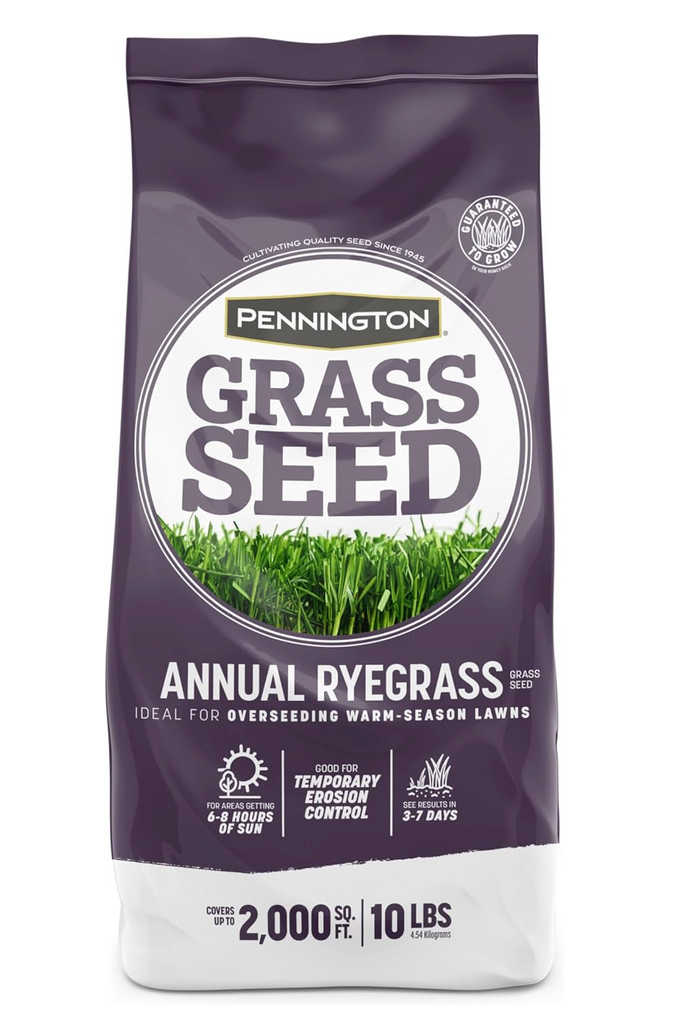
Pennington Annual Ryegrass is a popular, fast-germinating option for homeowners who need quick green cover, winter overseeding for warm-season lawns, or short-term erosion control. The 10 lb bag is sized for small to medium projects and is especially useful for overseeding Bermuda and zoysia in cooler months to keep lawns green and usable.
Description
-
Product: Pennington Annual Ryegrass Grass Seed
-
Bag size: 10 lb (160 oz)
-
Typical coverage: up to about 2,000 sq ft per bag (coverage depends on seeding rate).
-
Germination: very fast — many users see sprouts in 3 to 7 days under good conditions.
-
Best uses: winter overseeding of warm-season lawns, temporary turf for events or erosion control, patching and thin areas.
This formulation is intended to establish quickly, provide attractive color and texture for the cool season, and protect soil while your permanent lawn is dormant or recovering.
Who should consider Pennington Annual Ryegrass?
Choose this seed if you want one or more of the following:
-
Fast winter color for warm-season lawns such as Bermuda or zoysia.
-
Quick germination to stabilize bare soil or to cover patches before events.
-
A reliable option for temporary lawns that hold up to moderate foot traffic while permanent turf is dormant.
It is not intended as a permanent cool-season lawn replacement in regions where perennial cool-season grasses are preferred year round. Annual rye establishes quickly but does not persist year after year in all climates.
When and where to plant
-
Best timing for overseeding warm-season lawns: late summer to early fall when soil is still warm but air temperatures start to cool. For winter color, many homeowners seed in early fall so the rye is established before the first cold snaps.
-
For erosion control or temporary cover, seed any time when soil is workable and moisture is available.
-
Sun exposure: performs well in full sun to light shade — aim for sites getting about 6 to 8 hours of sun for best density.
Preparation and seeding rates
-
Prepare the seedbed – Remove debris and heavy thatch, rake the area smooth, and loosen the top 1 inch of soil to improve seed-to-soil contact. Good seedbed prep helps uniform germination.
-
Choose the right rate – For overseeding warm-season lawns, typical rates are 5 to 10 lb per 1,000 sq ft depending on desired density. For patching and repair, use lighter, targeted rates. The 10 lb bag covers up to approximately 2,000 sq ft for light overseeding as noted on packaging; adjust based on your goals.
-
Apply evenly – Use a broadcast spreader for even distribution or hand-seed small areas. Lightly rake to ensure seed contact, then roll or firm the surface gently.
-
Mulch if needed – A light straw mulch can retain moisture on exposed sites, but avoid burying seed under thick mulch.
Watering and germination
-
Keep the surface consistently moist until seedlings emerge. Frequent, light waterings several times per day are common during the first week in warm, dry conditions. After emergence, begin to lengthen intervals and increase depth to encourage root development.
-
Expect to see sprouts in as little as 3 days under ideal warmth and moisture; typical emergence is within 3 to 7 days. Faster germination is one of annual rye’s main advantages for quick green cover.
Early care and mowing
-
Wait to mow until the new seedlings reach about 2 to 3 inches tall. When you mow, remove no more than one third of the blade height at a time.
-
Because annual rye is an annual, you may choose to overseed again each fall if you want consistent winter color year after year. In many warm climates, annual rye will fade and die as temperatures rise in late spring to early summer.
Maintenance and performance
-
Annual rye is actually well suited to handle foot traffic and is often used on sports fields, event lawns, and rental properties for its fast recovery. It also resists several common turf diseases, though proper cultural care always helps.
-
Fertilize lightly after establishment for improved color and density, but avoid heavy nitrogen late in spring when warm-season turf is breaking dormancy — this can complicate the transition back to the permanent lawn species.
-
If your goal is a long-term lawn, plan a transition strategy: allow warm-season grasses to recover in late spring and reduce irrigation and mowing height to encourage the desired species to dominate.
Pros and cons
Pros
-
Rapid germination and fast visual results — often in under a week.
-
Great for winter overseeding and short-term cover.
-
Handles moderate foot traffic and helps reduce erosion on bare soil.
Cons
-
Annual rye is not always a year-round permanent turf in many climates. It typically dies out as summer heat returns.
-
It can compete with warm-season grasses if you want a clean transition; some management is needed in spring to favor the permanent lawn species.
-
Requires reseeding if you want consistent winter color every year.
Troubleshooting common issues
-
Poor germination – Check soil moisture and temperature; seed needs firm contact with moist soil. Avoid planting into crusted or compacted surfaces.
-
Patchy stands – Overcrowding, uneven seeding, or competition from weeds may cause thin areas. Light top-dressing and spot reseeding help.
-
Too much thatch or delayed warm-season recovery – Reduce fall nitrogen and consider mechanical dethatching in spring to help your permanent lawn reestablish.
Environmental and safety notes
-
Use recommended rates to limit seed and nutrient runoff. Because annual rye establishes rapidly, it can reduce erosion and runoff when used properly.
-
Follow label instructions for storage and handling. Keep seed dry and stored in a cool place to maintain viability.
Where to buy and value
This Pennington 10 lb product is commonly available from major online retailers and home centers. The 10 lb bag is convenient for homeowners tackling small lawns, overseeding projects, or routine winter color maintenance. Shipping and pricing vary by seller and season; check current listings for the best deal.
Frequently Asked Questions (FAQ)
What is annual ryegrass used for?
Annual ryegrass is primarily used for winter overseeding of warm-season lawns, quick green cover, erosion control, and temporary turf for events. It germinates quickly and provides fast color and wear tolerance.
How fast does it germinate?
Under good moisture and warmth, you can see sprouts in 3 to 7 days. Germination speed is one of the key benefits.
How much area does a 10 lb bag cover?
Packaging guidance indicates coverage up to about 2,000 sq ft for light overseeding; adjust seeding rate based on whether you are patching, overseeding, or establishing a temporary lawn.
Can I use annual rye on a shaded lawn?
Annual rye prefers full sun to light shade. For heavy shade, consider mixes or species tailored to lower light conditions.
Will it harm my Bermuda or zoysia lawn long term?
Annual rye is temporary in most warm regions and will die back as temperatures rise. However, plan spring management so the warm-season turf can reassert itself — reduce rye fertilization and gradually favor your permanent grass species.
Reviews
There are no reviews yet.