
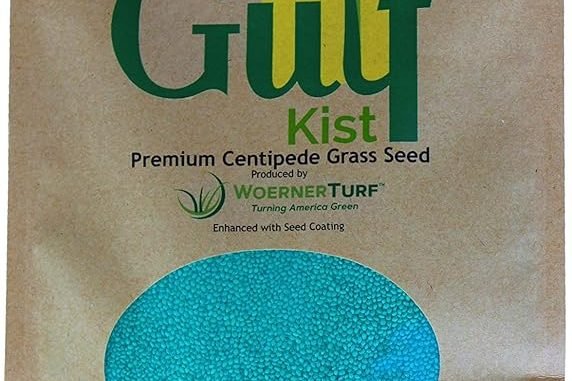
If you want a low-maintenance, warm-season lawn that establishes an apple-green, slow-growing turf, centipede grass is a strong candidate. This review covers the commonly sold 16.0 ounce centipede grass seed bags you see on retail sites, what to expect from a 1 lb pack, how to plant and care for centipede lawns, and whether this product is right for your yard. The specific Amazon listing many sellers use for a 16 oz package is available on Amazon.
Quick summary
Centipede grass seed in a 16 oz (1 lb) bag is typically aimed at homeowners repairing patches or testing centipede in small areas. Coated or improved germination formulations are common, and varieties such as TifBlair are repeatedly used in seed mixes for home lawns and conversions. If you live in a warm, southern climate and want a low-input turf that tolerates heat and acidic soils, centipede is worth considering.
What is centipede grass and who should use it?
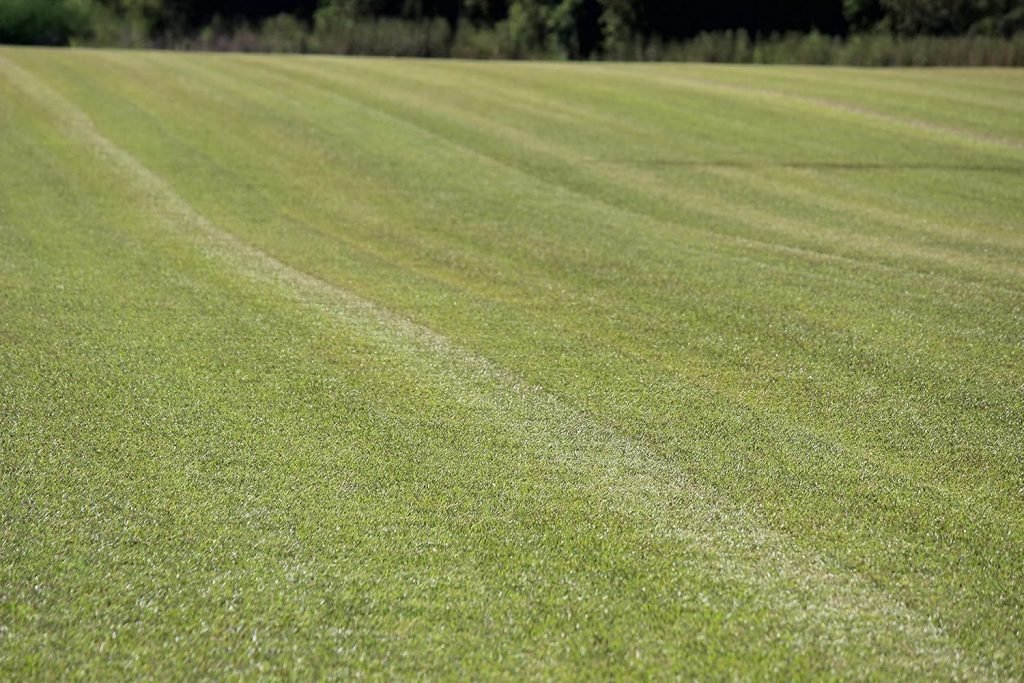
Centipede grass (Eremochloa ophiuroides and related cultivars like TifBlair) is a warm-season turfgrass popular in the southeastern United States. It forms a medium-coarse textured, apple-green lawn and is prized for being relatively low-maintenance – less mowing, reduced fertilization needs, and good performance on poorer soils compared with many fine-blade turfgrasses. Centipede prefers full sun to partial shade and performs best in USDA zones roughly 7b through 9b depending on variety.
Choose centipede seed if:
- You live in a warm, humid region (southern states and similar climates).
- You prefer a lawn that grows slowly and needs less frequent mowing.
- You want a turf that tolerates poor, acidic soils better than many other grasses.
Avoid centipede if:
- You live in a cool climate or a region with hard freezes.
- You want a very dense, fine-bladed golf-course look right away.
- You need rapid germination and immediate, heavy traffic tolerance.
What to expect from a 16.0 ounce bag
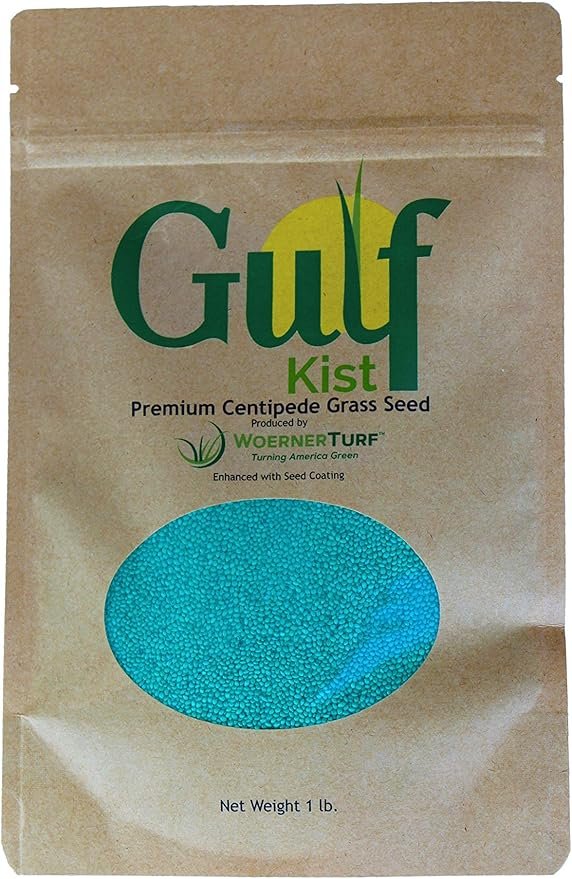
A 16 oz (1 lb) pack is small but useful. Expect coverage to be limited – this size is best for patching bare spots, small yard areas, containers, or testing the variety in your site before investing in larger quantities. Many commercial customers sell 1 lb packs of centipede seed, sometimes coated for improved germination and easier handling. Coated seeds often claim better survivability and require no extra mulch.
Seed quality and common brands
Not all centipede seed is equal. Certified varieties such as TifBlair are widely recommended for consistent performance. When evaluating a 1 lb package, check the product label for variety, purity, germination rate, and any coating or treatment claims. Some sellers provide coated seed mixes that reduce the need for additional mulch or soil covering during the germination phase.
Planting and establishment – step-by-step
Centipede seed requires a different approach than many cool-season grasses. Follow these steps for the best chance of success:
1. Timing
Plant centipede in late spring to early summer when soil temperatures are consistently warm. This timing gives seedlings the warm conditions they need to germinate and establish.
2. Prepare the soil
Remove weeds and loosen the top 1-2 inches of soil. Centipede tolerates poorer soils, but good seed-to-soil contact and a firm seedbed improve germination.
3. Seed rate and spacing
Follow the package rate for patch repair or overseeding. For a 1 lb bag, calculate coverage based on the package guidance – this amount usually covers a small area (patches or test strips) rather than an entire large yard. If the seed is coated, it will be easier to spread evenly.
4. Light cover
Lightly rake or roll to ensure seed contact with soil. A thin layer of soil or a light mulch can help keep the seed moist, but many coated seeds claim “no mulch required.” If you use mulch, avoid burying seeds too deep.
5. Watering
Keep the seedbed consistently moist but not waterlogged until seedlings are established. Frequent, light watering is better during germination; then gradually reduce frequency and increase depth as roots develop.
6. Mowing and first cuts
Once the new turf reaches about 2-3 inches, mow lightly to encourage lateral growth. Centipede typically performs well at 1.5 to 2.5 inch mowing heights depending on cultivar and local preference.
Maintenance and care tips
Centipede is naturally low input, but proper care improves color and density:
- Fertilization – Centipede needs less nitrogen than turf-type grasses. Use a slow-release, low-nitrogen fertilizer and follow label timing for your region. Over-fertilizing causes thatch and rapid, weak growth.
- Irrigation – Deep, infrequent watering encourages deeper roots. Adjust schedule for rain and season.
- Weed control – Young centipede can be outcompeted by aggressive annual weeds; pre-plant weed control and timely post-emergent treatments help.
- pH and nutrients – Centipede tolerates acidic soils; if your soil is alkaline and micronutrient deficiencies appear, test and amend accordingly.
Pros and cons – realistic expectations
Pros:
- Low maintenance – fewer mowings, less fertilizer.
- Good for acidic, sandy, or low-fertility soils.
- Attractive apple-green color and a relaxed, natural lawn look.
Cons:
- Slow to establish compared with bermudagrass or tall fescue.
- Not as wear-tolerant under heavy traffic.
- Limited cold tolerance and sensitivity to some pests and diseases in stressed conditions.
Troubleshooting common issues
- Poor germination – Check seed age and viability; ensure soil warmth and moisture; consider coated seed pre-treatments or reseeding if conditions were poor.
- Patchy growth – May indicate poor seed coverage, compaction, or competition from weeds. Aerate if needed and overseed thin spots in warm season.
- Yellowing or nutrient issues – Soil testing helps identify micronutrient needs; centipede often benefits from balanced, low-rate applications rather than high-nitrogen feeds.
Is a 16 oz bag worth buying?
Yes, if you need to repair patches, experiment with centipede in a small test area, or want a trial run before buying larger quantities. For full-lawn establishment, you will likely need multiple bags or larger bulk purchases of certified seed. Certified varieties and reputable sellers improve predictability and results.
Where to buy and product notes
This 16.0 ounce centipede grass seed product appears commonly on major marketplaces, including Amazon, and is sold under several brands and formulations. Look for product details such as germination rate, coating information, and coverage estimates on the listing before purchasing, and check seller reviews for fulfillment reliability. For larger projects, certified TifBlair or farm-direct seed can be sourced through specialty seed suppliers.
Leave a Reply